Demographics of Full-Size Truck Buyers
Age and Lifestyle Factors
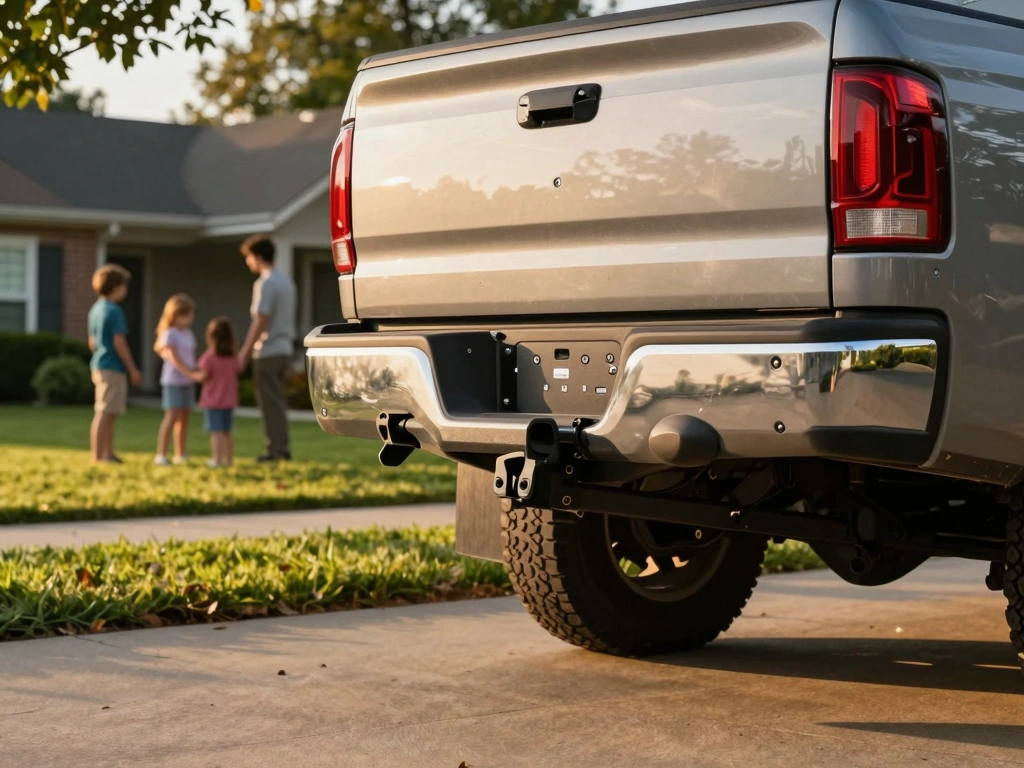
Full-size trucks have long been associated with rugged utility and a lifestyle centered on heavy-duty tasks. However, the demographics of truck buyers reveal a more nuanced picture. Many full-size truck purchasers are in the 30 to 50 age range—working professionals and families who prioritize versatility in their vehicles.
According to the 2019 Truck Buyer Survey conducted by a leading automotive research firm, nearly 60% of truck buyers identified as suburban dwellers. Their primary motivations for purchasing a truck included family transportation, commuting, and lifestyle enhancements, rather than strictly towing capabilities. This demographic shift suggests that many buyers are looking for a vehicle that reflects their lifestyle choices rather than a tool for towing.
Urban vs. Rural Ownership Trends
Urban and rural ownership trends also play a significant role in understanding why most full-size truck buyers rarely tow. In urban environments, trucks serve more as status symbols and practical daily drivers than as tools for heavy-duty tasks.
- Urban Buyers: In cities, truck buyers often prioritize aesthetics and comfort over utility. With parking constraints and limited towing needs, many urban truck owners rarely utilize their trucks for towing.
- Rural Buyers: Conversely, rural truck owners may be more likely to tow, but they still represent a minority. Many rural truck owners use their vehicles for everyday tasks like hauling goods or family trips, with towing needs being less frequent than expected.
Income Levels and Purchasing Power
Income levels significantly influence the truck market. The typical full-size truck buyer has a household income exceeding $75,000, allowing them to afford high-end models equipped with advanced features. This purchasing power often leads to choices that emphasize comfort, technology, and style over traditional utility.
Many buyers opt for luxury trims, which can cost upwards of $60,000 and come equipped with features that prioritize comfort and convenience. As a result, the focus shifts from towing capacity to enhancements like premium sound systems, leather interiors, and advanced infotainment systems.
Common Misconceptions About Towing Needs
Marketing Myths: Trucks as Towing Necessities
Marketing efforts from manufacturers often portray full-size trucks as essential towing vehicles, leading to a misconception that all truck buyers must engage in towing activities. Advertisements frequently showcase trucks hauling boats, trailers, and heavy equipment, creating an image that doesn't align with the reality of most truck owners.
For example, the popular Chevrolet Silverado is marketed with powerful towing capacities, often exceeding 12,000 pounds. However, only a small fraction of owners actually put these capabilities to use, with studies showing that less than 20% of truck owners report regular towing activities.
Consumer Perceptions vs. Reality of Towing
Many consumers perceive full-size trucks as necessary for towing based on cultural narratives and peer discussions. This perception is frequently fueled by the idea that “real” truck owners tow. In reality, the majority of truck buyers use their vehicles for commuting, errands, and recreational activities that do not require towing.
A survey by J.D. Power found that while 75% of truck owners believe towing is important, only 22% actually tow regularly. This disconnect illustrates a significant gap between consumer beliefs and actual usage patterns.
Influence of Social Media and Peer Pressure
Social media platforms have amplified the notion that full-size trucks are essential for towing. Influencers and content creators often showcase their trucks in towing scenarios, leading to a perception that towing is a standard practice among truck owners.
This peer pressure can skew consumer expectations, as many buyers feel compelled to conform to the towing narrative, even if their actual needs differ. As a result, truck buyers may select vehicles based on towing capabilities that they will rarely, if ever, utilize.
Alternatives to Towing for Full-Size Truck Owners
Everyday Utility: Hauling and Carrying
Despite the emphasis on towing in marketing and social narratives, many full-size truck owners find value in their vehicles for everyday utility. Trucks provide ample cargo space for hauling various items, from home improvement supplies to sports equipment.
For instance, the Ford F-150 offers a truck bed capacity of up to 77.4 cubic feet, making it ideal for transporting large items without the need for towing. Many truck owners appreciate this feature for its practicality, using their vehicles for weekend projects or family outings.
Leisure Activities That Don't Require Towing
Full-size trucks are popular among outdoor enthusiasts who engage in activities like camping, biking, and fishing—many of which do not necessitate towing. These owners often utilize their truck beds for gear storage and transportation.
- Camping: Trucks can accommodate camping gear without requiring a trailer.
- Mountain Biking: Bikes can be easily secured in the truck bed, providing a convenient option for enthusiasts.
- Fishing: Many anglers prefer the ease of loading their gear directly into the truck bed rather than towing a boat.
Vehicle Customization and Personalization Trends
Truck owners often engage in vehicle customization to reflect their personal styles and preferences, further distancing themselves from traditional towing needs. Customization options include enhanced suspension systems, unique paint jobs, and specialized truck beds designed for specific activities.
Many owners prioritize aesthetics and comfort features over towing capabilities. For example, aftermarket modifications such as upgraded sound systems and luxury interiors cater to lifestyle enhancements rather than utility-oriented needs.
Impact of Truck Features on Towing Behavior
Advanced Technology and Towing Assistance
Modern full-size trucks come equipped with advanced technology that simplifies towing processes. Features such as integrated towing cameras, trailer sway control, and advanced braking systems enhance towing safety and ease.
However, this technology may inadvertently reinforce the misconception that all truck owners should be towing. In reality, many buyers appreciate these features for their added safety, even if they do not intend to tow regularly. The Ram 1500, for example, offers a comprehensive suite of towing assistance technologies that appeal to a broad audience, regardless of their actual towing needs.
Comfort and Convenience Features Over Utility
As full-size trucks evolve, manufacturers are placing increasing emphasis on comfort and convenience features. High-quality interiors, advanced infotainment systems, and driver-assist technologies have become selling points that attract buyers who may not prioritize towing.
For instance, the Toyota Tundra is praised for its spacious cabin, cutting-edge technology, and overall driving experience rather than its towing capacity, making it appealing to buyers focused on daily utility rather than heavy-duty towing.
Fuel Efficiency Considerations in Towing
Fuel efficiency is an important consideration for many truck buyers, especially in an era of rising fuel costs. Towing can significantly reduce fuel efficiency, making it less appealing for everyday use. Many full-size truck owners prioritize fuel-efficient models that may not be equipped for heavy-duty towing.
The introduction of turbocharged engines and hybrid options has changed the landscape, providing alternatives to traditional V8 engines. For example, the Ford F-150 Hybrid offers impressive fuel efficiency while still providing decent towing capabilities, but many buyers may choose it for its everyday usability rather than its towing power.
Future Trends Influencing Towing Habits
Electric and Hybrid Trucks: Changing the Game
The rise of electric and hybrid trucks is poised to revolutionize the market, affecting towing habits among full-size truck owners. As these vehicles become more mainstream, their towing capacities are expected to improve significantly.
Models like the Rivian R1T and GMC Hummer EV have already demonstrated impressive towing capabilities while offering eco-friendly alternatives. However, the initial target market for these vehicles may lean more toward environmentally conscious consumers who prioritize sustainability over traditional towing needs.
Shifts in Consumer Preferences in the Truck Market
Shifts in consumer preferences are shaping the future of the truck market. As younger generations enter the market, their preferences are likely to diverge from traditional towing narratives.
Millennials and Gen Z buyers may prioritize technology, sustainability, and lifestyle compatibility over heavy-duty towing capabilities. This trend could lead to a decline in towing as a primary sales pitch among manufacturers, emphasizing versatility and modern features instead.
Potential Changes in Towing Regulations and Infrastructure
Future changes in towing regulations and infrastructure may also influence truck owners' towing habits. As urban areas increasingly implement stricter emissions standards and regulations surrounding trailers and towing vehicles, some truck owners may find towing less practical.
Moreover, advancements in infrastructure, such as the proliferation of electric charging stations, could alter the landscape for towing as electric trucks gain popularity. If charging stations are not equipped to handle towing scenarios, it may discourage owners from utilizing their trucks for these purposes.